

Siding Contractors in Southwest NH: Siding Installation and Replacement
New Siding, House Wrap, Flashing and Exterior Trim for Homes in Antrim, Keene, Henniker, Concord, Manchester and Nearby Towns
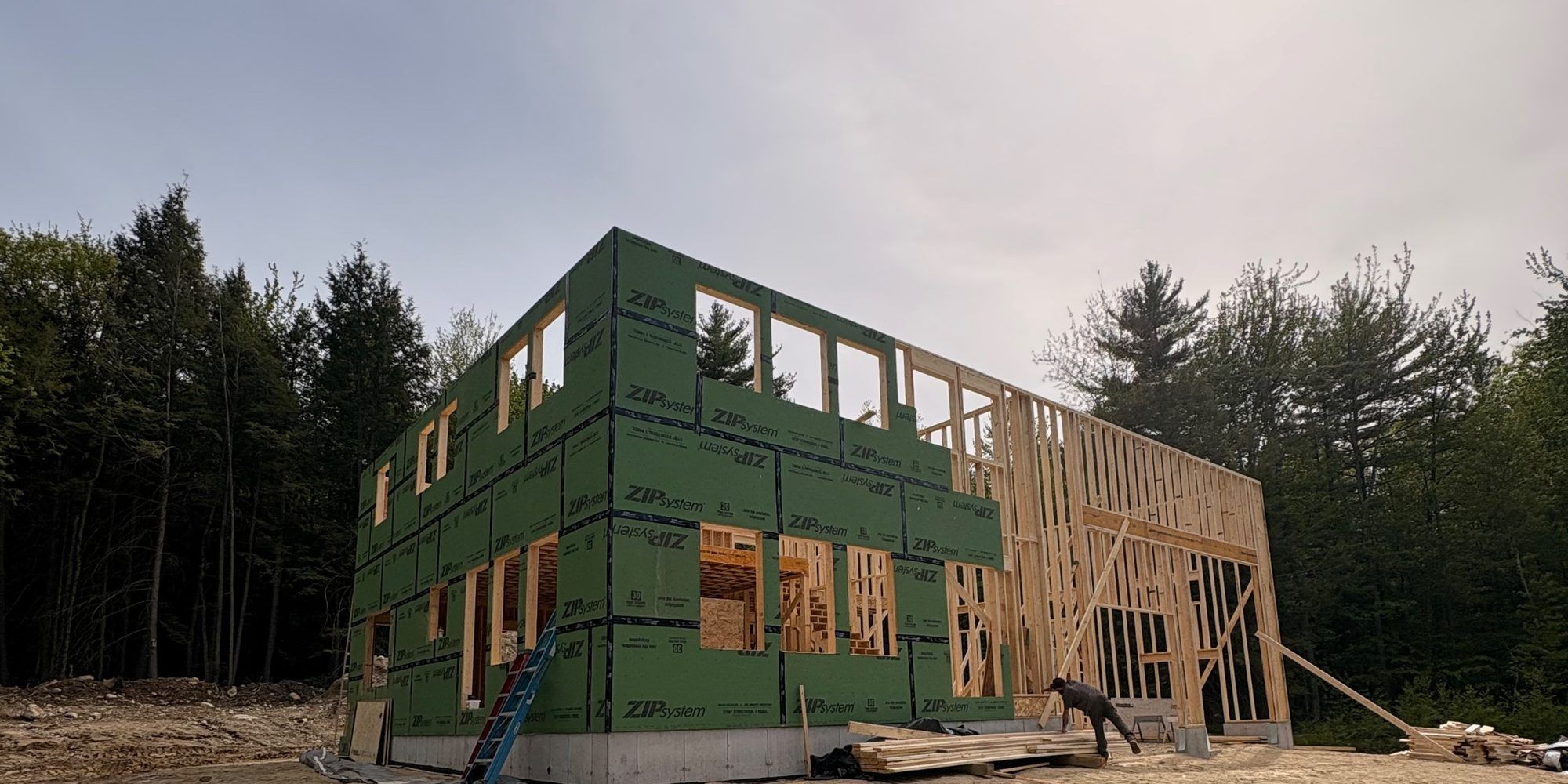
Siding contractors at Visionary Contracting install new siding on new homes and replace worn-out siding on older houses across southwest New Hampshire. We work from our base in Antrim out to Keene, Henniker, Concord, Manchester and the towns between. Siding installation is one of the services we specialize in, and because our team also does structural framing, we fix the sheathing and framing underneath when old siding comes off. If your siding is cracked, loose or letting water in, call us at (530) 807-7844 to set up a time to look at the house.
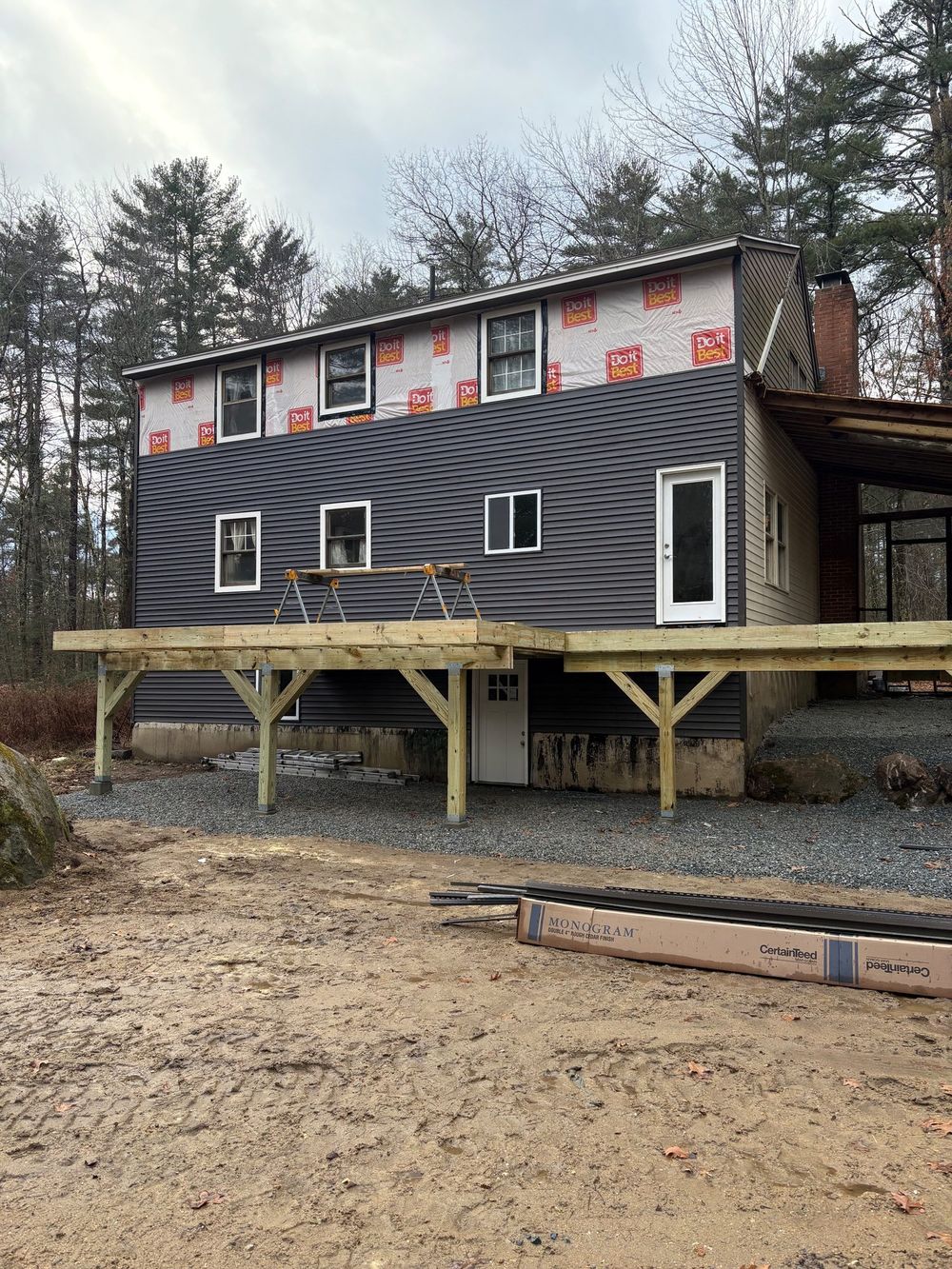
Siding Installation and Replacement in Southwest New Hampshire
- 01
Removing Old Siding and Checking the Sheathing
Replacing siding starts with taking the old siding off and looking at what's behind it. Years of small leaks around windows, doors and roof edges can rot the sheathing and even the framing without showing on the outside. Once the wall is open, we check for soft or stained wood, replace damaged sheathing and repair any framing that needs it. Fixing the wall before new siding goes on is what keeps the problem from coming back under a new exterior.
- 02
House Wrap, Flashing and Trim
Siding sheds most of the rain, but the layers under it keep the rest out of the wall. We wrap the house with a weather-resistive barrier, lapped so water runs down and out. Windows, doors, roof-to-wall joints and decks get flashed so water can't get behind the siding. Then the corner boards, window and door trim and other exterior trim go on, giving the house clean lines and covering the siding edges.
- 03
New Siding for New Construction
On a new house, siding is part of closing in the home after framing, wrap and windows. Because our team frames houses, we know the walls are straight before the siding goes on, which is what lets it lie flat and line up. Doing the siding and trim with the same crew that framed and set the windows keeps the exterior details tied together.
- 04
Siding on Older Homes
Older New Hampshire houses often have several layers of siding, old wood clapboards under vinyl or asbestos shingles, and walls that are no longer perfectly straight. Residing an older home takes patience. It means dealing with what's under the old siding, shimming walls where needed and fitting trim around old windows and rooflines. Restoration work on older homes is part of what our team does, so we're used to what these houses hide.
Siding Materials for New Hampshire Homes
Vinyl Siding
Vinyl is the most common siding on New Hampshire homes because it costs less than most other materials and never needs paint. It comes in many colors and profiles, including clapboard and shingle styles. Vinyl has to be hung loosely enough to expand and contract with temperature swings, or it buckles in summer and cracks in cold snaps. Thicker panels hold up better to wind and impacts.
Fiber Cement Siding
Fiber cement siding is made from cement, sand and fibers, and it's formed to look like painted wood clapboards or shingles. It resists rot, insects and fire, and it holds paint longer than wood. It's heavier and costs more to install than vinyl, and it needs careful cutting and fastening. Many homeowners choose it for the look of painted wood with less upkeep.
Wood Clapboards and Cedar Shingles
Wood clapboards and cedar shingles are the traditional sidings of New England, and they suit older homes and historic neighborhoods. Wood looks right on a farmhouse or a colonial, and cedar shingles weather naturally if left unstained. Wood needs regular painting or staining to last, and it has to be installed with good flashing and airflow behind it so it can dry out.


Signs Your House Needs New Siding
Cracked, Warped or Loose Siding
Siding that's cracked, warped, faded or coming loose isn't protecting the wall the way it should. On vinyl, cracks and buckled panels let water in behind it. On wood, split boards, open joints and rot around nail holes are signs of the same problem. A few damaged pieces can sometimes be repaired, but when the damage is spread around the house, replacement usually makes more sense.
Rot, Moisture and Peeling Paint Inside
Some of the best signs of failing siding show up inside the house. Peeling paint or wallpaper on outside walls, damp or musty smells, stains around windows and soft spots on the walls can all mean water is getting behind the siding. Higher heating bills and drafts can mean the wall has lost its weather barrier. If you're seeing any of these, it's worth having the siding and the wall behind it checked.



Why Hire Visionary Contracting for Siding
Siding Installers Who Also Frame
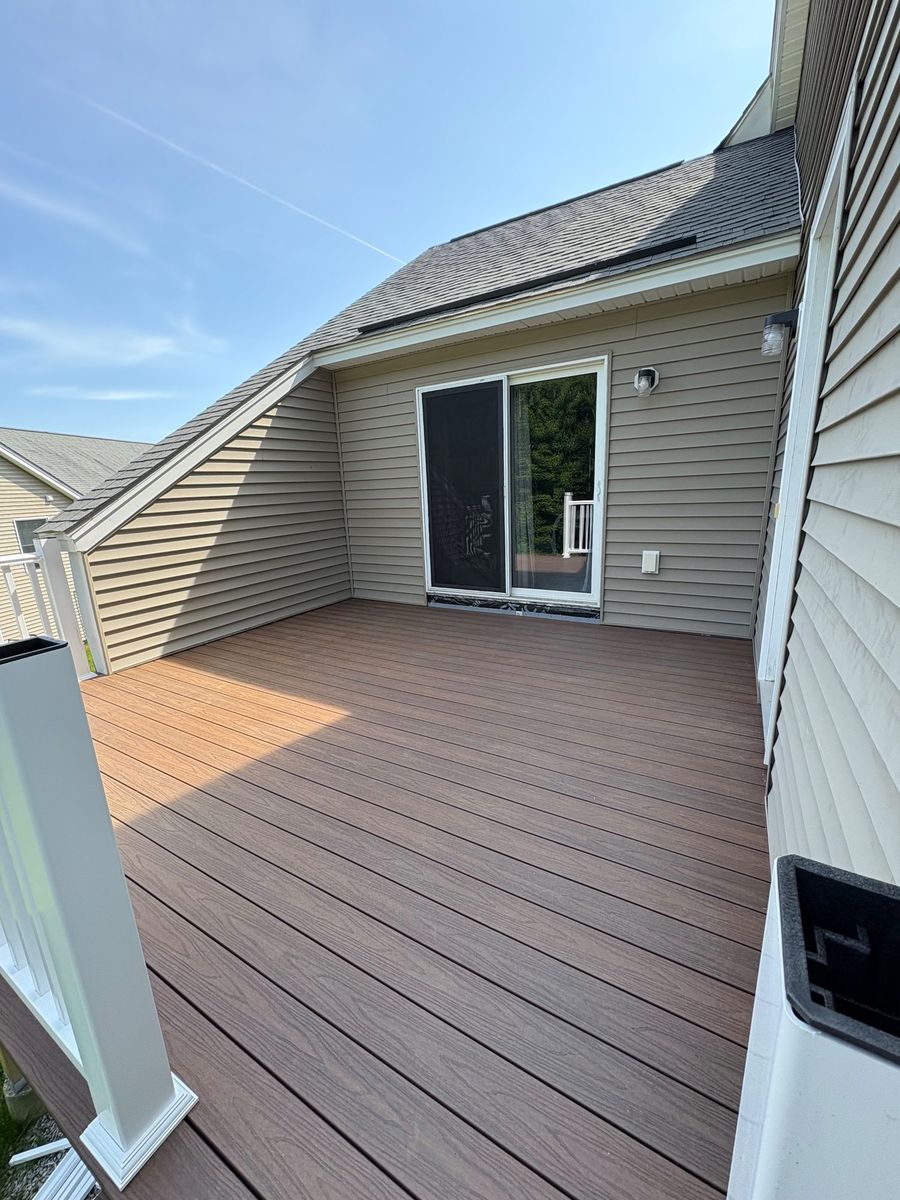
Most siding problems start behind the siding, and fixing them takes framing skills. Visionary Contracting specializes in both structural framing and siding installation, so when old siding comes off and the sheathing or framing is damaged, our team repairs it before the new siding goes on. You don't have to bring in a second contractor, and the wall under your new siding is sound, built by a team with over two decades of building experience.
Clear Communication From Measurements to Final Walkthrough
We keep you informed from the first visit, when we measure the house and talk about colors and materials, to the final walkthrough when the siding and trim are done. If we find rot or damage when the old siding comes off, we'll show you and explain what it needs before we go further. You'll know who to call with questions, and we'll make sure you're satisfied before the job is done.
 Siding Installers Who Also Frame
 Clear Communication From Measurements to Final Walkthrough
Serving Antrim and Nearby Communities in Southwest NH
Visionary Contracting installs and replaces siding from Antrim across the southwest corner of New Hampshire, generally no more than a 35 to 40 minute drive from home. That includes Keene, Henniker, Concord, Manchester and the small towns between them. Give us a call to ask whether your town is in our area.
See Our Service Areas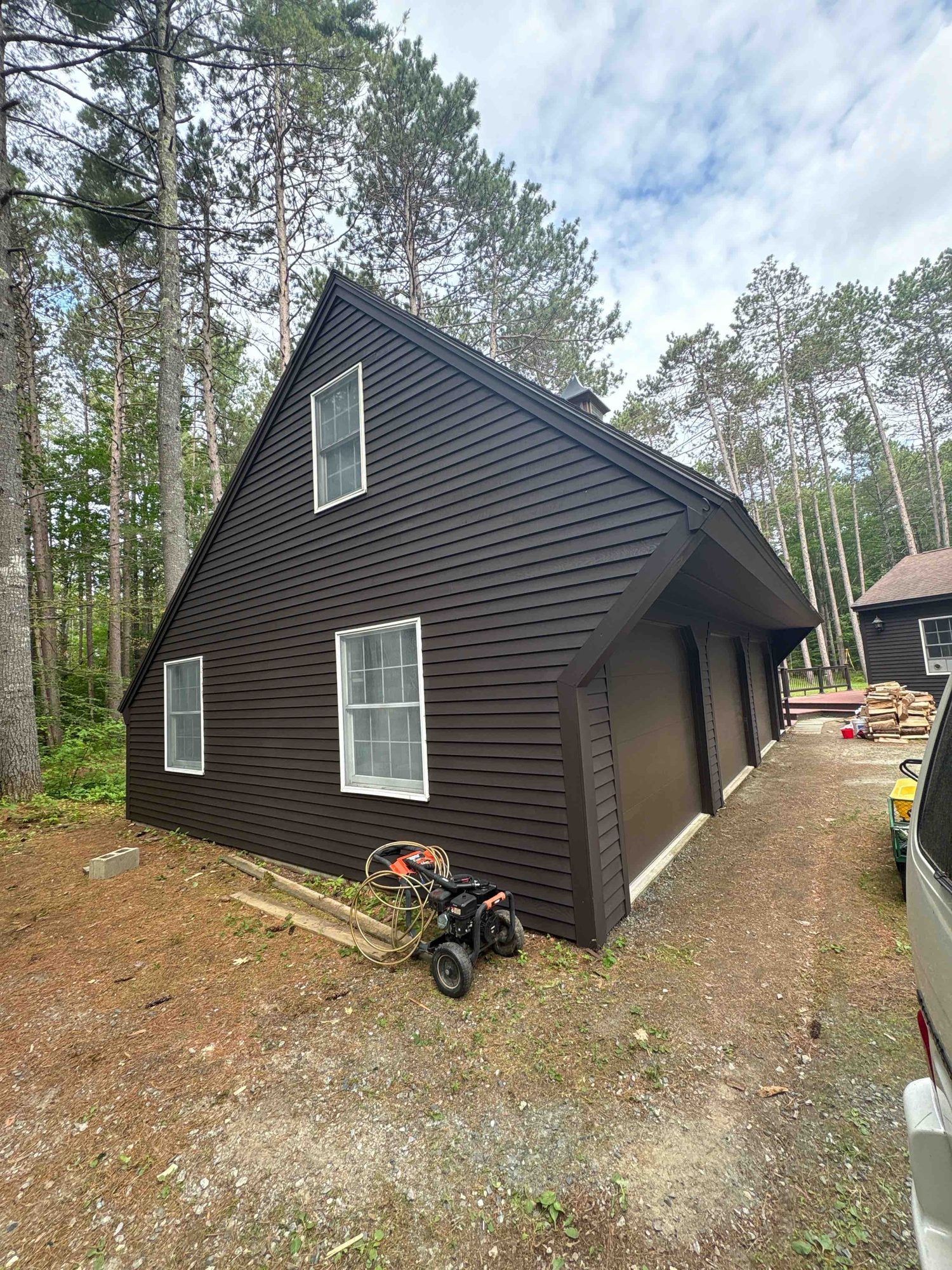
Frequently Asked Questions About Siding Replacement
It depends on the size of the house, the siding material, how many corners, windows and stories it has, and how much repair the wall needs underneath. Vinyl costs the least, while fiber cement and wood cost more to buy and install. We'll give you a price after we measure the house and look at the existing siding.
It depends on your budget, the style of the house and how much upkeep you want. Vinyl costs the least and needs no paint, fiber cement holds paint well and resists rot, and wood suits older homes but needs regular painting or staining. All three can work well here when they're installed over a proper weather barrier.
Well-installed vinyl and fiber cement siding can last for decades. Wood siding lasts a long time too when it's kept painted or stained. How long any siding lasts depends as much on the installation, flashing and weather barrier as on the material.
Sometimes, but we usually recommend taking the old siding off. Removing it lets us find and fix rot and water damage, install a proper weather barrier and flash the windows correctly. Covering old siding can hide problems that keep getting worse.
Spring through fall is the main siding season in New Hampshire, because the wall is open while the old siding is off and wraps and sealants install best above freezing. Vinyl is also easier to install correctly in moderate temperatures. Plan ahead, because those months fill up.
Most siding jobs on a typical house take one to a few weeks, depending on size, the material, how many stories it has and how much repair the walls need. Weather can add time. We'll give you an expected schedule with your quote.
We stop and show you. Damaged sheathing or framing gets replaced or repaired before the new siding goes on, and we explain what it will add to the cost. Fixing it now is far cheaper than finding it again in a few years.
It can. New siding usually goes on with a new weather barrier that cuts drafts, and some systems add rigid insulation behind the siding. The biggest gains come from sealing the gaps and flashing around windows and doors.
Sometimes. Matching a section of siding is difficult when the material has faded or the profile is no longer made. If a close match isn't possible, residing a full wall or the whole house usually looks better than a patch.
It depends on the town. Some New Hampshire towns require a permit for residing and some don't, and homes in historic districts may need review before exterior changes. Check with your town's building department before work starts.
If your windows are near the end of their life, yes, it's the best time. With the siding off, new windows can be flashed into the weather barrier properly and trimmed in with the new siding. Our window replacement page explains how we install windows.
Give us a call at (530) 807-7844 or send the form with the town you're in and a few photos of the house. We'll come out to measure, look at the existing siding and give you a price.


